RHEOMETER

Rheometer Export by Amin Polymer

Amin Polymer leads in exporting advanced rheometers for polymer analysis, including capillary rheometer and cone and plate rheometer models. Our dynamic shear rheometer dsr and oscillating disc rheometer ensure precise measurements. With Amin Polymer Export to GCC and the Middle East Countries, we provide reliable tools like rheometer for rubber and modular compact rheometer. Get in touch with Amin Polymer to secure equipment that answers: can a rheometer measure viscosity? Yes, and much more for your polymer needs.

1. Rheometer Overview and Purpose

Amin Polymer specializes in rheometers that are indispensable for characterizing the flow and deformation behavior of polymers under various conditions. A rheometer, unlike a simple viscometer, measures complex rheological properties such as viscosity, elasticity, and shear thinning, making it essential for non-Newtonian materials like polymer melts and solutions. The difference between viscometer and rheometer lies in the rheometer's ability to apply controlled stress or strain, capturing dynamic responses. For instance, a brookfield rheometer or rheometer brookfield excels in low-shear viscosity, while a capillary rheometer diagram illustrates high-shear flow through a die, simulating extrusion processes.

In polymer industries, rheometers help optimize formulations by analyzing how molecular weight and branching affect flow. The function of rheometer includes determining shear rate dependencies, crucial for processing like injection molding. Amin Polymer's offerings, such as the dynamic shear rheometer and oscillatory rheometer, provide insights into viscoelasticity, aiding in quality assurance. Our capillary rheometer price is competitive, ensuring accessibility for labs in the GCC region.

Commercially, investing in Amin Polymer's rheometers reduces production defects by predicting material behavior, saving costs and enhancing product reliability. The rheometer and viscometer difference is key: rheometers handle complex fluids where viscosity varies with shear. For rubber compounds, our oscillating die rheometer measures cure kinetics, as shown in rheometer analysis. Amin Polymer Export to GCC and the Middle East Countries delivers these instruments with robust support, building trust through precision engineering.

Whether you're using a plate plate rheometer or parallel plate rheometer for shear tests, or a mixer torque rheometer for compounding, Amin Polymer ensures durability. The future foundation rheometer from our line integrates advanced sensors for real-time data. Request a Quotation to explore how our rheometers, including rheometer cone and plate setups, can elevate your operations. In the Middle East's growing petrochemical sector, these tools are vital for innovation.

Our modular compact rheometer allows easy upgrades, while the discovery core rheometer offers high-end research capabilities. Dynamic shear rheometer price varies, but Amin Polymer provides value-driven options. Rheometer calibration services are included, ensuring long-term accuracy. By choosing Amin Polymer, you gain a partner committed to advancing polymer technology through reliable rheometry.

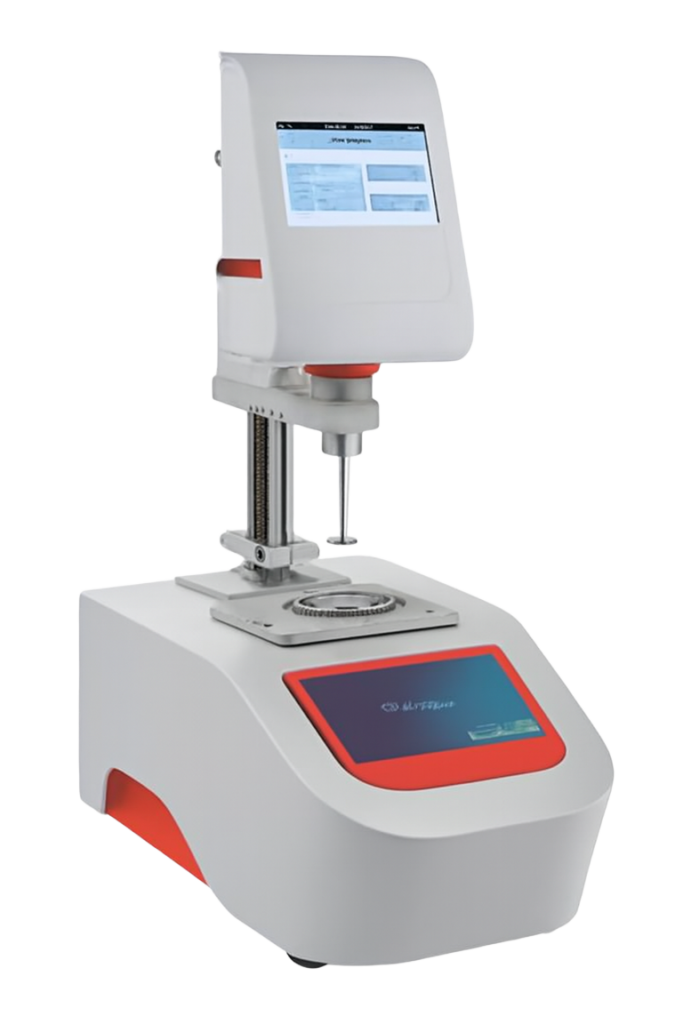
1.1. Rheometer Definition and Objective


A rheometer is a sophisticated instrument designed to measure the rheological properties of materials, particularly how they deform and flow under applied forces. Its objective is to quantify viscoelastic behavior in polymers, enabling process optimization and material development by assessing parameters like viscosity and modulus.

1.2. What is the Application of Rheometer and What Does it Measure?

  • Polymer Processing: Capillary rheometer measures high-shear viscosity for extrusion, quantifying flow rates and pressure drops.
  • Quality Control: Dynamic shear rheometer dsr evaluates asphalt and polymers, measuring storage and loss modulus for stability.
  • Rubber Vulcanization: Oscillating disc rheometer tracks cure time, measuring torque changes during crosslinking.
  • Viscosity Analysis: Rheometer and viscometer assess shear-dependent viscosity, with rheometers handling complex fluids beyond simple measurements.
  • Material Development: Cone and plate rheometer determines viscoelastic properties, measuring normal forces and elasticity.
  • Research Applications: Oscillatory rheometer studies frequency responses, measuring dynamic moduli for formulation tweaks.
  • Coatings and Inks: Parallel plate rheometer gauges thixotropy, measuring recovery after shear.
  • Food and Pharma: Brookfield rheometer tests emulsions, measuring yield stress and flow curves.

Amin Polymer specializes in rheometers that are indispensable for characterizing the flow and deformation behavior of polymers under various conditions. A rheometer, unlike a simple viscometer, measures complex rheological properties such as viscosity, elasticity, and shear thinning, making it essential for non-Newtonian materials like polymer melts and solutions. The difference between viscometer and rheometer lies in the rheometer's ability to apply controlled stress or strain, capturing dynamic responses. For instance, a brookfield rheometer or rheometer brookfield excels in low-shear viscosity, while a capillary rheometer diagram illustrates high-shear flow through a die, simulating extrusion processes.

In polymer industries, rheometers help optimize formulations by analyzing how molecular weight and branching affect flow. The function of rheometer includes determining shear rate dependencies, crucial for processing like injection molding. Amin Polymer's offerings, such as the dynamic shear rheometer and oscillatory rheometer, provide insights into viscoelasticity, aiding in quality assurance. Our capillary rheometer price is competitive, ensuring accessibility for labs in the GCC region.

Commercially, investing in Amin Polymer's rheometers reduces production defects by predicting material behavior, saving costs and enhancing product reliability. The rheometer and viscometer difference is key: rheometers handle complex fluids where viscosity varies with shear. For rubber compounds, our oscillating die rheometer measures cure kinetics, as shown in rheometer analysis. Amin Polymer Export to GCC and the Middle East Countries delivers these instruments with robust support, building trust through precision engineering.

Whether you're using a plate plate rheometer or parallel plate rheometer for shear tests, or a mixer torque rheometer for compounding, Amin Polymer ensures durability. The future foundation rheometer from our line integrates advanced sensors for real-time data. Request a Quotation to explore how our rheometers, including rheometer cone and plate setups, can elevate your operations. In the Middle East's growing petrochemical sector, these tools are vital for innovation.

Our modular compact rheometer allows easy upgrades, while the discovery core rheometer offers high-end research capabilities. Dynamic shear rheometer price varies, but Amin Polymer provides value-driven options. Rheometer calibration services are included, ensuring long-term accuracy. By choosing Amin Polymer, you gain a partner committed to advancing polymer technology through reliable rheometry.
2. Rheometer Procedure and Specimen


Preparing for rheometer testing with Amin Polymer's equipment begins with specimen selection, typically polymer pellets, films, or melts, conditioned to remove moisture. For a capillary rheometer, load about 20-50 grams into the barrel, preheated to melting temperature, say 190-250°C for thermoplastics. Apply piston force to extrude through the die, recording pressure and flow rate.

In rotational setups like cone and plate rheometer, place a small sample (1-2 ml) between geometries, set gap precisely (e.g., 1 mm), and apply shear. Monitor with software for rheometer drawing-like visualizations. Safety protocols include wearing protective gear, as high temperatures and pressures are involved. Amin Polymer Export to GCC and the Middle East Countries includes detailed guides for these procedures, ensuring user confidence.

Post-test, clean components to avoid contamination. For rheometer for rubber, mix compounds uniformly before loading. Our systems support rheometer calibration with standard oils. Specimens must be homogeneous; irregularities skew results. Get in touch with Amin Polymer for training on handling viscous samples in dynamic shear rheometer.

The rheometer diagram aids in understanding setup: barrel, piston, die for capillary types. Procedure duration varies—steady shear tests take minutes, oscillatory hours for full spectra.

2.1. Rheometer Method

Tensile Test Method Description Tensile Test Method Description Tensile Test Method Description

2.2. Technical Specifications of Rheometer


TECHNICAL SPECIFICAITON

%table_title_1%%table_title_2%%table_title_3%%table_title_4%

Test Type

Value 1

Value 2

Value 3

Load Capacity

Value 1

Value 2

Value 3

Measurement Accuracy

Value 1

Value 2

Value 3

Test Grips

Value 1

Value 2

Value 3

Loading Rate

Value 1

Value 2

Value 3

User Interface

Value 1

Value 2

Value 3

Measurable Parameters

Value 1

Value 2

Value 3

3. Rheometer Standards (ASTM & ISO)


Amin Polymer's rheometers comply with key standards, ensuring accurate and comparable data for polymer rheology. These facilitate global trade by standardizing measurements of flow properties.

3.1. ASTM Rheometer Standard

ASTM D3835 specifies capillary rheometer testing for polymeric materials, measuring viscosity at various shear rates and temperatures to simulate processing conditions.

3.2. ISO Rheometer Standard for Polymers

ISO 11443 outlines fluidity determination using capillary rheometers, while ISO 6721-10 covers dynamic mechanical properties via oscillatory rheometry. Amin Polymer Export to GCC and the Middle East Countries leverages these for reliable exports.

4. Rheometer Results and Mechanical Properties

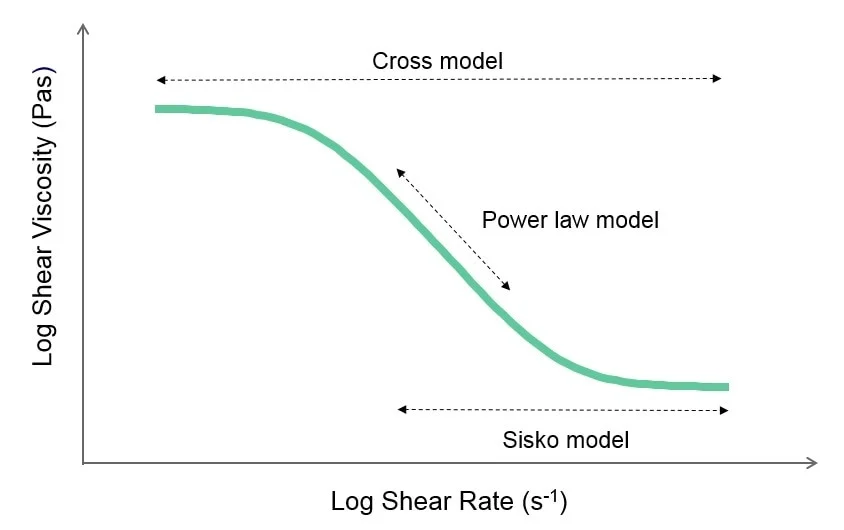
Rheometer results from Amin Polymer equipment reveal critical mechanical properties like shear modulus, influencing polymer strength and flexibility. High viscosity indicates robust chains for durable products, while shear thinning predicts ease in molding. Rheometer analysis correlates flow curves to tensile strength—lower loss modulus suggests better elasticity.

Data from dynamic shear rheometer shows how polymers resist deformation, essential for applications like films. Amin Polymer builds trust with precise instruments that deliver actionable insights, encouraging optimized purchasing.

4.1. Rheometer Curve and Data Analysis

4.2. Quality Control for Polymer Products

Consistency Monitoring: Use rheometer to verify batch viscosity uniformity.

Defect Prediction: Analyze shear thinning to prevent processing flaws.

Cure Optimization: Oscillating rheometer ensures proper vulcanization.

Viscoelastic Testing: Measure moduli for material durability.

Compliance Checks: Align with ASTM/ISO for quality assurance.

5. Export of Rheometer s to Middle East


Amin Polymer Export to GCC and the Middle East Countries supplies rheometers to thriving sectors in Iran, Iraq, and the UAE, supporting polymer advancements.

5.1. Export Markets and Applications

Markets include Saudi Arabia's plastics industry, with applications in oil-based polymers using capillary rheometer for flow optimization.

5.2. Why Choose Amin Polymer for Rheometer Equipment Export


Amin Polymer's expertise offers customized, compliant rheometers with efficient logistics. Request a Quotation for superior support and innovation-driven solutions.

6. Frequently Asked Questions

6.1. What is a rheometer?

An instrument measuring polymer flow properties, beyond simple viscosity.

6.2. How does rheometer calibration work?

Through standard fluids to ensure accuracy.

6.3. What’s the rheometer and viscometer difference?

Rheometers handle complex behaviors under varied conditions.

6.4. Applications in Middle East?

Polymer processing for construction and automotive.

6.5. Why Amin Polymer Export to GCC and the Middle East Countries?

For reliable, tailored equipment with expert guidance.

A M I N   P O L Y M E R    T R U S T E D    S E R V I C E


˃Submission of requests via an online contact portal

˃Swift responses to technical and trade-related inquiries

˃Detailed price quotations tailored to export markets

˃Customized design and production to meet international standards

˃Efficient and secure global shipping solutions

˃Comprehensive technical support throughout the product’s lifecycle

Find what you’re looking for