HARDNESS TESTER

Hardness Tester Export by Amin Polymer

Amin Polymer specializes in exporting high-quality hardness tester machines to the GCC and Middle East countries. Our durometer hardness tester and portable hardness tester options ensure precise measurements for polymers. With Amin Polymer Export to GCC and the Middle East Countries, clients benefit from reliable hardness tester equipment tailored for industrial needs. Trust Amin Polymer for your hardness tester portable and shore d hardness tester requirements, promoting accuracy in material testing. Get in touch with Amin Polymer today to explore our export solutions.

1. Hardness Tester Overview and Purpose

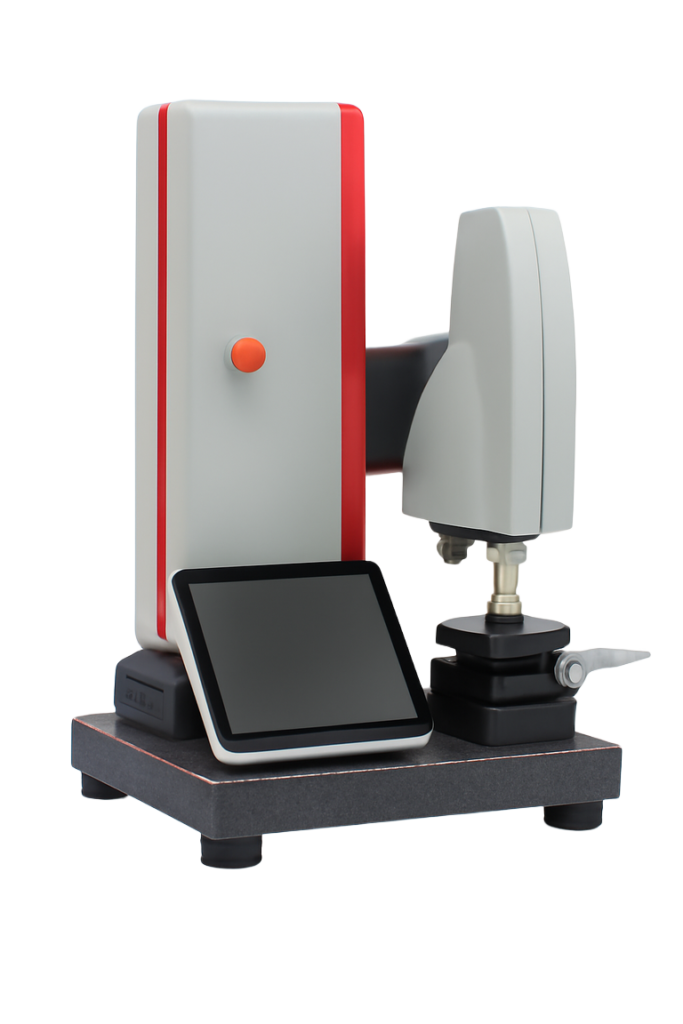
Amin Polymer offers a comprehensive range of hardness tester machines designed for evaluating the mechanical properties of polymers. The hardness tester definition encompasses devices that measure a material's resistance to indentation, crucial for quality assurance in manufacturing. Our hardness tester durometer models, including the hardness tester shore a and hardness tester shore d, provide accurate readings for rubber and plastic materials. As part of Amin Polymer Export to GCC and the Middle East Countries, we supply hardness tester portable units that are ideal for on-site testing, ensuring portability without compromising precision.

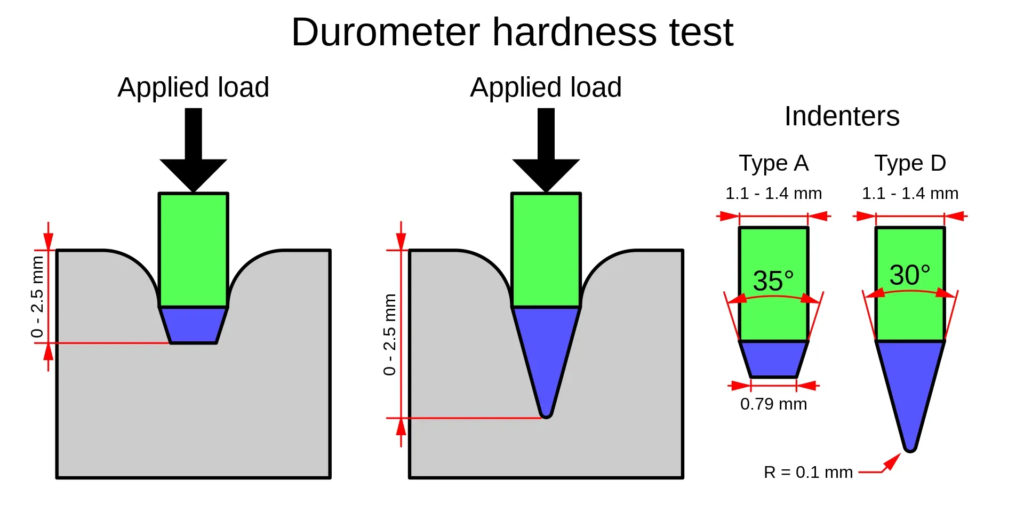
The objective of using a hardness tester is to determine the hardness test value, which indicates how well a polymer can withstand deformation under load. This is essential in industries like automotive, construction, and packaging within the Middle East. Amin Polymer's digital hardness tester and electronic hardness tester feature advanced technology for consistent results. The hardness tester principle relies on applying a specific force via an indenter and measuring the depth or size of the impression.

Incorporating keywords like hardness tester for plastic and hardness tester for rubber, our products cater to diverse applications. The portable hardness tester machine from Amin Polymer is lightweight and user-friendly, with a digital portable hardness tester option that displays instant readings. For those seeking a material hardness tester, our range includes the shore hardness tester, which is versatile for various polymer types.

Amin Polymer ensures that every hardness tester apparatus meets international standards, building trust through rigorous calibration of hardness tester procedures. Our hardness tester calibration block and hardness tester calibration procedure guarantee accuracy, making our offerings reliable for export markets. The hardness tester working principle involves standardized methods to avoid errors, and our team provides a hardness tester manual with each unit.

In the context of Amin Polymer Export to GCC and the Middle East Countries, we emphasize commercial benefits such as competitive hardness tester machine price and hardness tester price options. Request a Quotation to discover how our digital hardness tester price fits your budget. With Amin Polymer, you get not just equipment but a partner in enhancing product quality through precise hardness testing of materials.

Our hardness tester uses extend to quality control labs, where the unit of hardness tester (typically in Shore units) helps in material selection. The types of hardness tester we export include automatic hardness tester and manual variants, ensuring flexibility. How hardness tester works is straightforward: select the appropriate scale, apply the indenter, and read the value. This simplicity, combined with our support, encourages businesses in the GCC to choose Amin Polymer for their needs.
1.1. Hardness Tester Definition and Objective


The hardness tester is defined as a specialized instrument used to quantify the hardness of materials, particularly polymers, by assessing their resistance to permanent deformation. Its primary objective is to provide reliable data for material characterization, ensuring products meet durability standards in various applications.

1.2. What is the Application of Hardness Tester and What Does it Measure?


  • Measures indentation resistance in rubber and plastics using scales like Shore A for soft materials and Shore D for harder ones.
  • Applied in quality control for polymer products in industries such as automotive parts, footwear, and seals.
  • Determines hardness test value to predict mechanical behavior under stress.
  • Used for calibration of hardness tester to maintain accuracy in measurements.
  • Essential for hardness tester rubber and hardness tester for plastic to ensure material consistency.

Amin Polymer offers a comprehensive range of hardness tester machines designed for evaluating the mechanical properties of polymers. The hardness tester definition encompasses devices that measure a material's resistance to indentation, crucial for quality assurance in manufacturing. Our hardness tester durometer models, including the hardness tester shore a and hardness tester shore d, provide accurate readings for rubber and plastic materials. As part of Amin Polymer Export to GCC and the Middle East Countries, we supply hardness tester portable units that are ideal for on-site testing, ensuring portability without compromising precision.

The objective of using a hardness tester is to determine the hardness test value, which indicates how well a polymer can withstand deformation under load. This is essential in industries like automotive, construction, and packaging within the Middle East. Amin Polymer's digital hardness tester and electronic hardness tester feature advanced technology for consistent results. The hardness tester principle relies on applying a specific force via an indenter and measuring the depth or size of the impression.

Incorporating keywords like hardness tester for plastic and hardness tester for rubber, our products cater to diverse applications. The portable hardness tester machine from Amin Polymer is lightweight and user-friendly, with a digital portable hardness tester option that displays instant readings. For those seeking a material hardness tester, our range includes the shore hardness tester, which is versatile for various polymer types.

Amin Polymer ensures that every hardness tester apparatus meets international standards, building trust through rigorous calibration of hardness tester procedures. Our hardness tester calibration block and hardness tester calibration procedure guarantee accuracy, making our offerings reliable for export markets. The hardness tester working principle involves standardized methods to avoid errors, and our team provides a hardness tester manual with each unit.

In the context of Amin Polymer Export to GCC and the Middle East Countries, we emphasize commercial benefits such as competitive hardness tester machine price and hardness tester price options. Request a Quotation to discover how our digital hardness tester price fits your budget. With Amin Polymer, you get not just equipment but a partner in enhancing product quality through precise hardness testing of materials.

Our hardness tester uses extend to quality control labs, where the unit of hardness tester (typically in Shore units) helps in material selection. The types of hardness tester we export include automatic hardness tester and manual variants, ensuring flexibility. How hardness tester works is straightforward: select the appropriate scale, apply the indenter, and read the value. This simplicity, combined with our support, encourages businesses in the GCC to choose Amin Polymer for their needs.
2. Hardness Tester Procedure and Specimen

The hardness tester procedure begins with preparing the specimen, which must be flat, clean, and at least 6mm thick for accurate readings. For our Amin Polymer hardness tester models, including the rubber hardness tester shore a, place the specimen on a stable surface. The hardness tester method involves pressing the indenter perpendicularly into the material with controlled force.

Amin Polymer's portable hardness tester allows for quick on-site testing without extensive setup. The hardness tester principle ensures repeatable results, and our digital rockwell hardness tester variant adapts to polymer needs. Follow the hardness tester calibration procedure using provided blocks to verify instrument accuracy before use.

Specimen requirements include uniform thickness and avoidance of edges to prevent erroneous readings. In Amin Polymer Export to GCC and the Middle East Countries, we supply hardness tester parts and accessories for maintenance. How to use hardness tester is detailed in our manual: align the device, apply pressure for the specified time (usually 1-15 seconds), and record the value.

Our universal hardness tester accommodates various materials, from aluminium hardness tester applications to polymers. The core hardness tester unit measures internal hardness if needed. With competitive portable hardness tester price, Amin Polymer makes advanced testing accessible. Get in touch with Amin Polymer for customized procedures tailored to Middle Eastern climates, where temperature can affect readings.

The procedure concludes with data logging, often via our digital tablet hardness tester for pharmaceutical polymers. This builds trust by ensuring traceability in hardness tester uses.

2.1. Hardness Tester Method

Tensile Test Method Description Tensile Test Method Description Tensile Test Method Description

2.2. Technical Specifications of Hardness Tester

TECHNICAL SPECIFICAITON

%table_title_1%%table_title_2%%table_title_3%%table_title_4%

Test Type

Value 1

Value 2

Value 3

Load Capacity

Value 1

Value 2

Value 3

Measurement Accuracy

Value 1

Value 2

Value 3

Test Grips

Value 1

Value 2

Value 3

Loading Rate

Value 1

Value 2

Value 3

User Interface

Value 1

Value 2

Value 3

Measurable Parameters

Value 1

Value 2

Value 3

3. Hardness Tester Standards (ASTM & ISO)


Amin Polymer adheres strictly to international standards for all hardness tester equipment exported. This commitment ensures our products, like the dynamic hardness tester and future tech hardness tester, deliver consistent performance. In Amin Polymer Export to GCC and the Middle East Countries, compliance builds customer confidence.

ASTM D2240 outlines the standard test method for durometer hardness of rubber, plastics, and similar materials. It specifies procedures for using types A, B, C, D, etc., ensuring reproducible results through defined indenter geometry and force application.

ISO 868 provides guidelines for determining the indentation hardness of plastics using a durometer. It emphasizes calibration and specimen preparation, aligning with our electronic hardness tester offerings for precise measurements in polymer applications.

4. Hardness Tester Results and Mechanical Properties

Results from the hardness tester reveal key mechanical properties like elasticity and durability of polymers. Higher hardness test values indicate stiffer materials, crucial for load-bearing applications. Amin Polymer's used hardness tester options are refurbished to maintain quality, offering cost-effective solutions.

Data analysis involves interpreting readings against specifications; deviations signal material inconsistencies. Our glass hardness tester adapts for specialized polymers. In quality control, these results correlate with tensile strength and wear resistance, aiding product optimization.

Request a Quotation for our core hardness tester to integrate into your processes. With Amin Polymer, trust in accurate hardness tester digital readings for informed decisions.

4.1. Hardness Tester Curve and Data Analysis

4.2. Quality Control for Polymer Products

  • Regular use of hardness tester apparatus to monitor batch consistency.
  • Implementation of hardness tester calibration to ensure measurement reliability.
  • Analysis of hardness tester unit values for defect detection.
  • Integration with types of hardness tester for comprehensive testing.
  • Documentation of hardness tester procedure outcomes for traceability.

5. Export of Hardness Testers to Middle East

Amin Polymer excels in exporting hardness testers to the Middle East, focusing on GCC countries like Saudi Arabia and UAE. Our shipments include the hardness tester of rubber and digital portable hardness tester, meeting regional demands efficiently. Key markets encompass oil & gas, construction, and manufacturing, where portable hardness tester machine aids in-field quality checks. Applications range from pipeline seals to automotive components.

Choose Amin Polymer for superior service in Amin Polymer Export to GCC and the Middle East Countries. Our expertise, competitive pricing, and prompt delivery foster long-term partnerships. Get in touch with Amin Polymer for tailored export solutions.


6. Frequently Asked Questions

6.1. What is a hardness tester?

A hardness tester measures material resistance to indentation, vital for polymers.

6.2. How much does a digital hardness tester cost?

Prices vary; our digital hardness tester price starts at $300.

6.3. What are the types of hardness tester?

Include durometer, Rockwell, and Vickers, with durometer common for polymers.

6.4. How to calibrate hardness tester?

Use standard blocks and follow the hardness tester calibration procedure outlined in manuals.

6.5. Why export with Amin Polymer?

Amin Polymer Export to GCC and the Middle East Countries ensures quality and reliability.

A M I N   P O L Y M E R    T R U S T E D    S E R V I C E


˃Submission of requests via an online contact portal

˃Swift responses to technical and trade-related inquiries

˃Detailed price quotations tailored to export markets

˃Customized design and production to meet international standards

˃Efficient and secure global shipping solutions

˃Comprehensive technical support throughout the product’s lifecycle

Find what you’re looking for