BRITTLENESS TEMPERATURE TESTER

Brittleness Temperature Tester Export by Amin Polymer

Amin Polymer excels in exporting premium brittleness temperature testers to GCC and Middle East countries. Our brittleness temperature tester accurately determines the brittle temperature range for polymers, ensuring reliable low temperature brittleness tests. Through Amin Polymer Export to GCC and the Middle East Countries, clients access advanced equipment for brittleness temperature assessments. Get in touch with Amin Polymer to secure solutions in low temperature brittleness tester technology, supported by expertise in brittleness test procedures.

1. Brittleness Temperature Tester Overview and Purpose

The brittleness temperature tester from Amin Polymer is a vital instrument for assessing polymer performance under cold conditions. It identifies the brittleness point temperature tester threshold where materials transition from ductile to brittle, crucial for industries like oil and gas, automotive, and construction prevalent in the Middle East. Amin Polymer Export to GCC and the Middle East Countries delivers these testers to support booming infrastructure projects requiring durable polymers.

This low temperature brittleness tester simulates extreme environments, impacting conditioned specimens to measure brittleness temperature. By evaluating how to test brittleness, it helps predict failure in real-world applications, such as pipelines exposed to desert nights or refrigerated storage. Amin Polymer's brittleness tester incorporates precise cooling systems for consistent rubber low temperature brittleness tester results, enhancing material selection.

Commercially, using Amin Polymer's equipment reduces risks of product failure, saving costs in harsh climates. The tester supports brittleness temperature test protocols, providing data on brittle temperature ranges that inform formulation improvements. In regions with variable temperatures, understanding what is brittleness temperature ensures safer, longer-lasting products.

Request a Quotation from Amin Polymer to integrate this essential tool into your quality assurance. Our brittleness point temperature tester aids research into low temperature brittleness, fostering innovation in polymer science. Amin Polymer prioritizes user-friendly designs, making brittleness tests accessible and efficient.

The purpose includes quality control and compliance, where brittleness temp evaluations prevent catastrophic failures. With Amin Polymer Export to GCC and the Middle East Countries, we offer customized configurations, building long-term trust. Overall, this tester combines technical precision with commercial benefits, empowering manufacturers to excel in demanding markets. Amin Polymer's commitment ensures every brittleness temperature tester meets rigorous demands for accuracy and reliability.

1.1. Brittleness Temperature Tester Definition and Objective

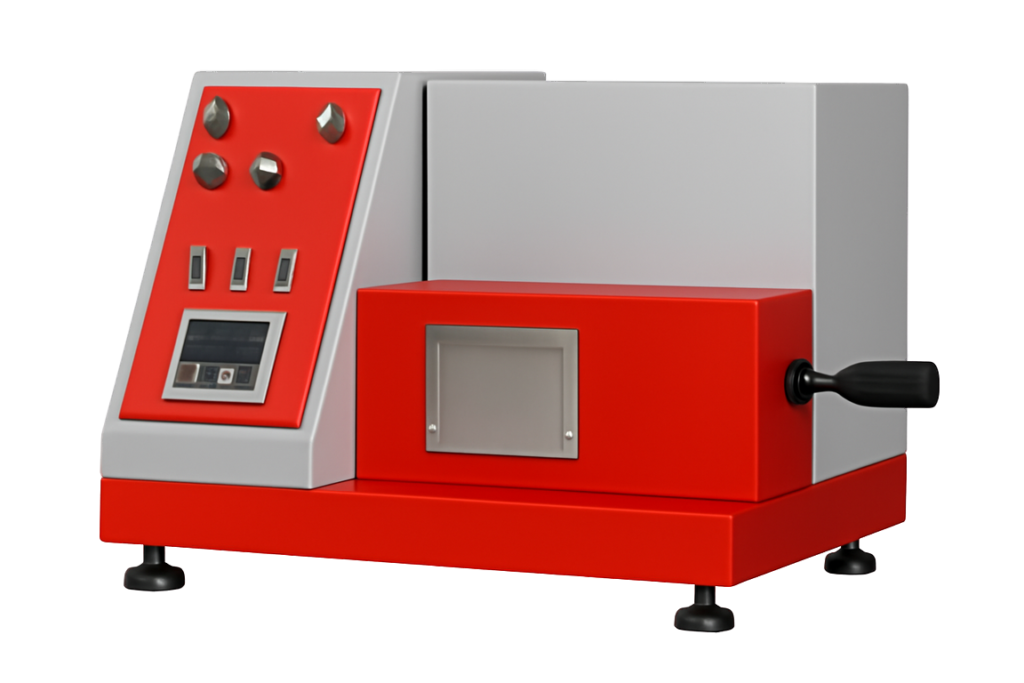
A brittleness temperature tester is specialized laboratory equipment that determines the temperature at which polymers and elastomers exhibit brittle failure under impact. Its objective is to establish the brittleness temperature, the point where 50% of specimens fail, guiding material suitability for low-temperature environments. Amin Polymer's model focuses on precise what is brittleness temperature assessments for enhanced polymer durability.

1.2. What is the Application of a Brittleness Temperature Tester and What Does it Measure?

  • Low Temperature Brittleness Test: Identifies brittle temperature range for plastics in cold storage applications.
  • Rubber Low Temperature Brittleness Tester: Evaluates vulcanized rubber performance in automotive seals for GCC winters.
  • Brittleness Temperature Test: Measures transition from ductile to brittle behavior under impact.
  • How to Test Brittleness: Assesses impact resistance at decreasing temperatures for construction materials.
  • Brittleness Point Temperature Tester: Determines safe operating temperatures for cables and hoses in oil fields.

The brittleness temperature tester from Amin Polymer is a vital instrument for assessing polymer performance under cold conditions. It identifies the brittleness point temperature tester threshold where materials transition from ductile to brittle, crucial for industries like oil and gas, automotive, and construction prevalent in the Middle East. Amin Polymer Export to GCC and the Middle East Countries delivers these testers to support booming infrastructure projects requiring durable polymers.

This low temperature brittleness tester simulates extreme environments, impacting conditioned specimens to measure brittleness temperature. By evaluating how to test brittleness, it helps predict failure in real-world applications, such as pipelines exposed to desert nights or refrigerated storage. Amin Polymer's brittleness tester incorporates precise cooling systems for consistent rubber low temperature brittleness tester results, enhancing material selection.

Commercially, using Amin Polymer's equipment reduces risks of product failure, saving costs in harsh climates. The tester supports brittleness temperature test protocols, providing data on brittle temperature ranges that inform formulation improvements. In regions with variable temperatures, understanding what is brittleness temperature ensures safer, longer-lasting products.

Request a Quotation from Amin Polymer to integrate this essential tool into your quality assurance. Our brittleness point temperature tester aids research into low temperature brittleness, fostering innovation in polymer science. Amin Polymer prioritizes user-friendly designs, making brittleness tests accessible and efficient.

The purpose includes quality control and compliance, where brittleness temp evaluations prevent catastrophic failures. With Amin Polymer Export to GCC and the Middle East Countries, we offer customized configurations, building long-term trust. Overall, this tester combines technical precision with commercial benefits, empowering manufacturers to excel in demanding markets. Amin Polymer's commitment ensures every brittleness temperature tester meets rigorous demands for accuracy and reliability.
2. Brittleness Temperature Tester Procedure and Specimen

The procedure for Amin Polymer's brittleness temperature tester begins with specimen preparation: cutting standard polymer samples and conditioning them at room temperature. Specimens are then clamped in holders and immersed in a cooling bath, typically using alcohol or similar media, to reach the target low temperature for a specified duration.

Once conditioned, an automated striker impacts the specimens at a controlled speed, usually 2 m/s, simulating sudden stress. Post-impact, samples are inspected for cracks or fractures defining brittle failure. Testing repeats at incrementally lower temperatures until sufficient data points establish the brittleness temperature.

Amin Polymer recommends Type I specimens (6.35 mm x 31.75 mm x 1.91 mm) for plastics, ensuring compatibility with global standards. This method accurately captures brittleness temp variations, vital for Middle East applications facing temperature swings.

Commercially, the efficient procedure allows high-throughput testing, supporting rapid quality checks. For Amin Polymer Export to GCC and the Middle East Countries, we include comprehensive training, fostering confidence in low temperature brittleness tester operations. Get in touch with Amin Polymer for procedural optimizations tailored to your polymers.

2.1. Brittleness Temperature Tester Method

Tensile Test Method Description Tensile Test Method Description Tensile Test Method Description

2.2. Technical Specifications of Brittleness Temperature Tester

TECHNICAL SPECIFICAITON

%table_title_1%%table_title_2%%table_title_3%%table_title_4%

Test Type

Value 1

Value 2

Value 3

Load Capacity

Value 1

Value 2

Value 3

Measurement Accuracy

Value 1

Value 2

Value 3

Test Grips

Value 1

Value 2

Value 3

Loading Rate

Value 1

Value 2

Value 3

User Interface

Value 1

Value 2

Value 3

Measurable Parameters

Value 1

Value 2

Value 3

3. Brittleness Temperature Tester Standards (ASTM & ISO)


Amin Polymer's brittleness temperature tester complies with leading standards like ASTM D746 and ISO 974, guaranteeing reliable data for international trade. These protocols ensure consistent brittleness temperature test outcomes, building commercial trust in polymer exports to demanding regions.

3.1. ASTM Brittleness Temperature Tester Standard

ASTM D746 outlines impact testing for plastics and elastomers, defining brittleness temperature as the 50% failure point under specified conditions. Amin Polymer integrates this for accurate low temperature brittleness tester applications in diverse polymers.

3.2. ISO Brittleness Temperature Tester Standard for Polymers

ISO 974 specifies impact methods for determining brittleness temperature in plastics, similar yet distinct from ASTM. Amin Polymer's equipment supports both, facilitating seamless compliance for rubber low temperature brittleness tester needs.

4. Brittleness Temperature Tester Results and Mechanical Properties

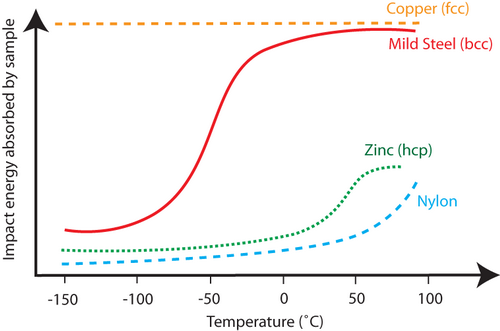
Results from Amin Polymer's brittleness temperature tester indicate the critical temperature where polymers lose ductility, influencing mechanical properties like impact toughness. Higher brittleness temperatures suggest better low-temperature performance, guiding material enhancements for extended service life.

These insights reveal effects of additives on brittle temperature ranges, optimizing formulations. Commercially, favorable results enhance product marketability, assuring clients of reliability in cold conditions. Request a Quotation to leverage Amin Polymer's expertise in interpreting brittleness test data for superior mechanical property evaluations.

4.1. Brittleness Temperature Tester Curve and Data Analysis

The curve typically shows percentage of brittle failures versus temperature, with the 50% point marking the brittleness temperature.


4.2. Quality Control for Polymer Products

  • Low Temperature Brittleness Tester Integration: Verifies performance in cold chains.
  • Brittleness Temperature Assessments: Ensures consistency across production batches.
  • Rubber Low Temperature Brittleness Test: Confirms seal integrity for automotive parts.
  • Brittleness Test Monitoring: Detects formulation issues early.
  • Brittle Temperature Range Evaluation: Supports certification for export markets.

5. Export of Brittleness Temperature Tester Machines to Middle East

Amin Polymer Export to GCC and the Middle East Countries provides state-of-the-art brittleness temperature testers suited to regional challenges like extreme temperature variations. Our machines empower local industries in petrochemicals and manufacturing, ensuring polymer products withstand operational stresses. Amin Polymer guarantees efficient delivery and support for seamless integration.

5.1. Export Markets and Applications

Primary markets encompass UAE, Saudi Arabia, and Kuwait, with applications in pipelines, wiring, and packaging. Amin Polymer's testers facilitate brittleness point temperature tester evaluations critical for these sectors.

5.2. Why Choose Amin Polymer for Brittleness Temperature Tester Equipment Export

Amin Polymer delivers superior quality, affordability, and dedicated after-sales service. Our Amin Polymer Export to GCC and the Middle East Countries features adaptable solutions and warranties, establishing enduring trust in brittleness tester reliability.

6. Frequently Asked Questions


6.1. What is brittleness temperature?

It's the temperature where 50% of polymer specimens fail brittlely under impact.

6.2. How to test brittleness in polymers?

Use a brittleness temperature tester with cooled impact on conditioned samples.

6.3. What standards apply to brittleness tests?

Primarily ASTM D746 and ISO 974 for accurate results.

6.4. Why is low temperature brittleness important?

Prevents failures in cold environments common in Middle East applications.

6.5. How to acquire one?

Get in touch with Amin Polymer for expert guidance and quotations.

A M I N   P O L Y M E R    T R U S T E D    S E R V I C E


˃Submission of requests via an online contact portal

˃Swift responses to technical and trade-related inquiries

˃Detailed price quotations tailored to export markets

˃Customized design and production to meet international standards

˃Efficient and secure global shipping solutions

˃Comprehensive technical support throughout the product’s lifecycle

Find what you’re looking for