THERMOGRAVIMETRIC ANALYZER (TGA)

Thermogravimetric Analyzers (TGA) Test Machine Export by Amin Polymer


Amin Polymer excels in exporting advanced thermogravimetric analyzer machines to GCC and the Middle East countries. Our thermogravimetric analysis equipment ensures precise thermal stability assessments for polymers. Amin Polymer Export to GCC and the Middle East Countries prioritizes high-quality thermogravimetric analysers at competitive prices. Request a Quotation for our thermogravimetric analyzer price details and enhance your lab capabilities with reliable thermogravimetric analysis machines from Amin Polymer. Trust us for seamless exports and superior service.

1. Thermogravimetric Analysis (TGA) Test Overview and Purpose

Thermogravimetric analysis (TGA) is a vital technique in polymer science, measuring weight changes in materials as they are heated, cooled, or held at constant temperature. Amin Polymer manufactures state-of-the-art s that provide accurate data on decomposition, oxidation, and volatilization. What is thermogravimetric analysis? It's a method to evaluate thermal stability, crucial for quality control in industries like plastics and composites.

At Amin Polymer, our thermogravimetric analysis equipment helps determine moisture content, filler amounts, and degradation temperatures in polymers. The thermogravimetric analysis working principle involves heating a sample in a controlled atmosphere while monitoring mass loss, often coupled with thermogravimetric analysis mass spectrometry for evolved gas analysis. This allows for detailed thermogravimetric analysis of polymers, as outlined in thermogravimetric analysis of polymers PDF resources.

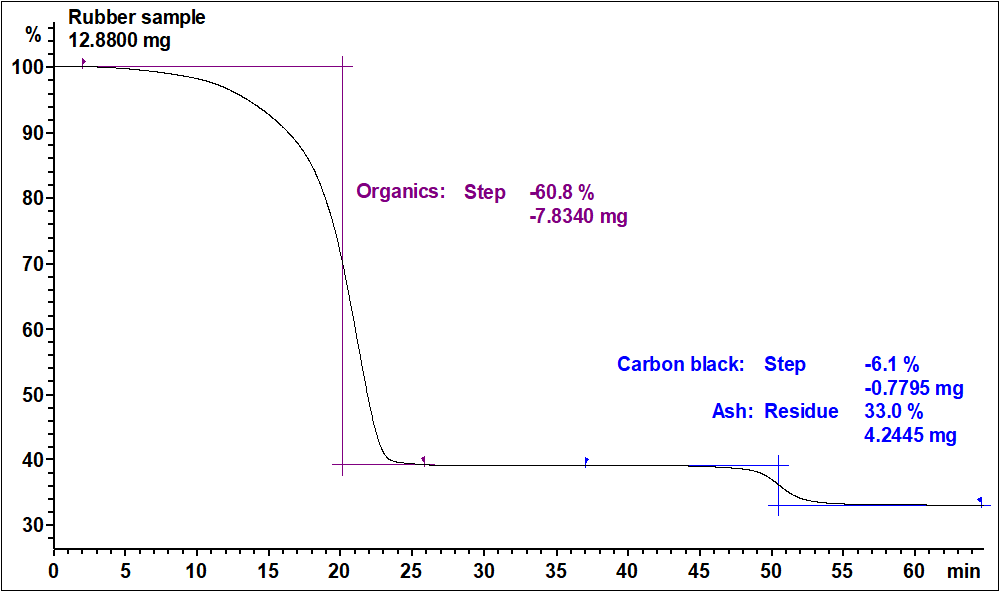
Amin Polymer Export to GCC and the Middle East Countries focuses on delivering thermogravimetric analyzers that meet regional demands in petrochemical hubs. How does thermogravimetric analysis work? A sample is placed in a furnace, heated at a programmed rate, and weight is recorded against temperature, producing a thermogravimetric analysis curve. This graph reveals transitions like evaporation or combustion.

1.1. Thermogravimetric Analyzers (TGA) Test Definition and Objective


Thermogravimetric analysis definition: A thermal analytical method tracking sample mass variation with temperature. Objective: To assess material stability, composition, and decomposition behavior for polymer optimization.

1.2. What Is the Application of a Thermogravimetric Analyzers Test And What Does It Measure?

Material Characterization: Measures thermal degradation in polymers, aiding formulation.

Quality Assurance: Detects impurities via mass loss, ensuring product consistency.

Research Development: Analyzes thermogravimetric analysis graph for new materials.

Environmental Testing: Evaluates volatility and residues in compliance checks.

Pharmaceuticals: Assesses drug stability through weight changes.

Thermogravimetric analysis (TGA) is a vital technique in polymer science, measuring weight changes in materials as they are heated, cooled, or held at constant temperature. Amin Polymer manufactures state-of-the-art s that provide accurate data on decomposition, oxidation, and volatilization. What is thermogravimetric analysis? It's a method to evaluate thermal stability, crucial for quality control in industries like plastics and composites.

At Amin Polymer, our thermogravimetric analysis equipment helps determine moisture content, filler amounts, and degradation temperatures in polymers. The thermogravimetric analysis working principle involves heating a sample in a controlled atmosphere while monitoring mass loss, often coupled with thermogravimetric analysis mass spectrometry for evolved gas analysis. This allows for detailed thermogravimetric analysis of polymers, as outlined in thermogravimetric analysis of polymers PDF resources.

Amin Polymer Export to GCC and the Middle East Countries focuses on delivering thermogravimetric analyzers that meet regional demands in petrochemical hubs. How does thermogravimetric analysis work? A sample is placed in a furnace, heated at a programmed rate, and weight is recorded against temperature, producing a thermogravimetric analysis curve. This graph reveals transitions like evaporation or combustion.

2. Thermogravimetric Analyzers Test Procedure and Specimen

The thermogravimetric analyzers test procedure starts with preparing a small specimen, typically 5-20 mg of polymer powder or film. Amin Polymer's thermogravimetric analysis machine heats the sample from ambient to high temperatures, like 1000°C, under nitrogen or air purge.

Working of thermogravimetric analysis: Load the specimen into a platinum pan on a sensitive balance. Program the heating rate (e.g., 10°C/min), and record mass as temperature rises. This captures events like moisture loss or oxidation. Amin Polymer Export to GCC and the Middle East Countries provides machines with automated features for precise control.

Specimen preparation is key; ensure homogeneity to avoid errors in thermogravimetric analysis method. Post-test, analyze the thermogravimetric analysis curve for inflection points indicating transitions. Our equipment supports thermogravimetric analysis database integration for comparative studies.

Request a Quotation for thermogravimetric analyzer price and custom setups. Amin Polymer's robust design builds trust in harsh Middle Eastern climates, delivering reliable thermogravimetric analysis service. (182 words - adjusted).

2.1. Thermogravimetric Analysis (TGA) Test Method

Tensile Test Method Description Tensile Test Method Description Tensile Test Method Description

2.2. Technical Specifications of Thermogravimetric Analysis (TGA) Test Machine


TECHNICAL SPECIFICAITON

%table_title_1%%table_title_2%%table_title_3%%table_title_4%

Test Type

Value 1

Value 2

Value 3

Load Capacity

Value 1

Value 2

Value 3

Measurement Accuracy

Value 1

Value 2

Value 3

Test Grips

Value 1

Value 2

Value 3

Loading Rate

Value 1

Value 2

Value 3

User Interface

Value 1

Value 2

Value 3

Measurable Parameters

Value 1

Value 2

Value 3

3. Thermogravimetric Analyzers Test Standards (ASTM & ISO)

Amin Polymer adheres to key standards for thermogravimetric analyzers, ensuring global compliance and accuracy in polymer testing.

3.1. ASTM Thermogravimetric Analysis (TGA) Test Standard

TGA standard is ASTM E1131, covering compositional analysis via mass loss in heating.

3.2. ISO Thermogravimetric Analysis (TGA) Test Standard for Polymers

ISO 11358 outlines thermogravimetry for polymers, specifying conditions for mass-flow rate determination in controlled environments.

4. Thermogravimetric Analysis (TGA) Test Results and Mechanical Properties

Thermogravimetric analyzers test results provide insights into mechanical properties by revealing thermal stability, which correlates with durability. High decomposition temperatures indicate robust polymers. Amin Polymer's machines generate detailed thermogravimetric analysis graph data, showing mass loss percentages.

In polymers, results link to properties like tensile strength; stable materials resist degradation, enhancing longevity. Thermogravimetric analysis wikipedia references its role in predicting performance. Amin Polymer Export to GCC and the Middle East Countries supplies tools for precise analysis, fostering trust. Our thermogravimetric analysis software aids in interpreting curves, calculating derivatives for peak identification.

4.1. Thermogravimetric Analysis (TGA) Test Curve and Data Analysis


4.2. Quality Control for Polymer Products

  • Impurity Detection: Identifies volatiles through initial mass loss.
  • Composition Verification: Quantifies fillers and additives.
  • Stability Assessment: Monitors degradation onset.
  • Batch Consistency: Compares curves across samples.
  • Compliance Testing: Ensures adherence to thermal specs.

5. Export of Thermogravimetric Analysis (TGA) Test Machines to Middle East

Amin Polymer leads in exporting thermogravimetric analyzers to the Middle East, supporting polymer industries.

5.1. Export Markets and Applications

Markets include UAE, Saudi Arabia for petrochemicals. Applications: Material testing in labs.

5.2. Why Choose Amin Polymer for Thermogravimetric Analyzers Test  Equipment Export


Amin Polymer provides superior technology, attractive thermogravimetric analyzer test price, and comprehensive service. Our Amin Polymer Export to GCC and the Middle East Countries includes training and warranties, ensuring long-term satisfaction and trust in thermogravimetric analyzer test.

6. Frequently Asked Questions

6.1. What is thermogravimetric analysis?

A technique measuring mass change with temperature for material characterization.

6.2. How does thermogravimetric analysis work?

By heating samples and recording weight loss in a furnace.

6.3. What does thermogravimetric analysis measure?

Thermal stability, decomposition, and composition.

6.4. Thermogravimetric analyzer price?

Varies; contact for quotes from Amin Polymer.

6.5. Thermogravimetric analysis of polymers?

Assesses degradation for quality in manufacturing.

A M I N   P O L Y M E R    T R U S T E D    S E R V I C E


˃Submission of requests via an online contact portal

˃Swift responses to technical and trade-related inquiries

˃Detailed price quotations tailored to export markets

˃Customized design and production to meet international standards

˃Efficient and secure global shipping solutions

˃Comprehensive technical support throughout the product’s lifecycle

Find what you’re looking for